Antique furniture is more than just old—it’s a tangible connection to history, craftsmanship, and artistry. Whether you’re a seasoned collector or a casual enthusiast, knowing which pieces hold value can guide your investments and help you build a meaningful collection. Some antique furniture types consistently stand out for their rarity, design, and historical importance. Here are ten valuable antique furniture pieces to look out for.
Chippendale Chairs and Tables
Thomas Chippendale was an 18th-century English cabinetmaker whose designs have become timeless classics. Furniture bearing the Chippendale style—characterized by intricate carvings, cabriole legs, and ball-and-claw feet—is highly sought after. Authentic Chippendale pieces are prized for their craftsmanship and elegance.
Queen Anne Dressers and Desks
Queen Anne furniture from the early 18th century features graceful curves, pad feet, and simple yet refined ornamentation. Dressers, desks, and tables from this period are known for their solid construction and understated beauty. Original Queen Anne pieces can command high prices due to their historical significance.
Victorian Sideboards and Cabinets
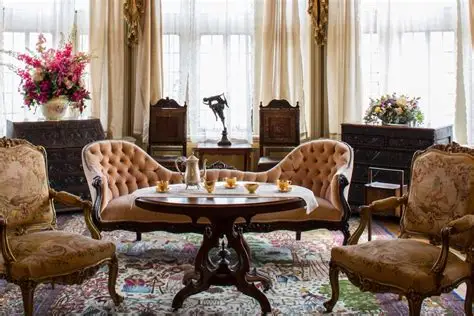
The Victorian era introduced ornate, heavily carved furniture often made from rich woods like mahogany and walnut. Sideboards and cabinets from this period are popular for their grand scale and decorative details, including mirrored panels and brass hardware. Authentic Victorian furniture is a statement piece in any collection.
Arts and Crafts Movement Furniture
Dating from the late 19th to early 20th century, the Arts and Crafts Movement emphasized simplicity, handcrafted quality, and natural materials. Furniture from this era often features clean lines, exposed joinery, and minimal decoration. Pieces by makers like Gustav Stickley are especially valuable and prized by collectors.
Mid-Century Modern Pieces
While not as old as other antiques, mid-century modern furniture (from roughly the 1940s to 1960s) has surged in popularity and value. Designed with functionality and sleek aesthetics in mind, pieces by designers such as Charles and Ray Eames or Hans Wegner are highly collectible and can fetch premium prices.
Hepplewhite Chairs and Tables
Hepplewhite furniture, popular in the late 18th century, is known for its elegant and delicate designs, including shield-back chairs and tapered legs. These pieces are refined and graceful, often featuring inlays or painted finishes. Genuine Hepplewhite antiques are prized for their craftsmanship.
French Provincial Furniture
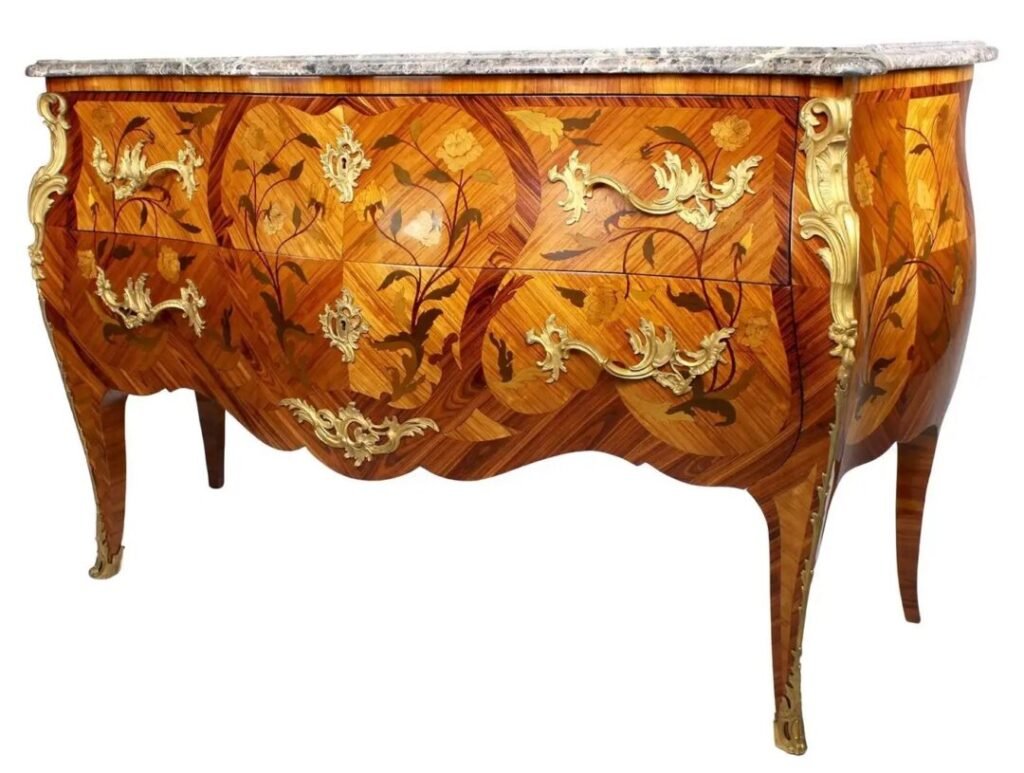
French Provincial furniture, inspired by rural French styles of the 17th and 18th centuries, features rustic charm with elegant curves and painted finishes. Buffets, armoires, and chairs with hand-carved details fall under this category and are cherished for their timeless appeal and craftsmanship.
Georgian Tables and Cabinets
Georgian furniture, dating from the early 18th to early 19th centuries, combines classical influences with exquisite craftsmanship. Mahogany tables, tall cabinets, and intricate inlaid work define this style. Original Georgian pieces are rare and highly valued in the antiques market.
Arts and Crafts Mission Furniture
Mission-style furniture, a subset of the Arts and Crafts movement, is characterized by its straight lines, flat panels, and oak construction. It reflects a commitment to simple, functional design. Authentic Mission pieces, especially those by noted makers, are coveted for their enduring style and quality.
Empire Style Furniture
The Empire style, popular in the early 19th century, is bold and grand, often incorporating motifs like columns, laurel wreaths, and mythological figures.
Final Thoughts
Collecting valuable antique furniture is as much about appreciating history and artistry as it is about investment. Knowing which styles and pieces to look out for helps you identify genuine treasures that can enhance your living space and grow in value over time. Whether you’re drawn to the refined lines of Queen Anne or the bold statements of Empire style, each piece tells a story worth preserving.