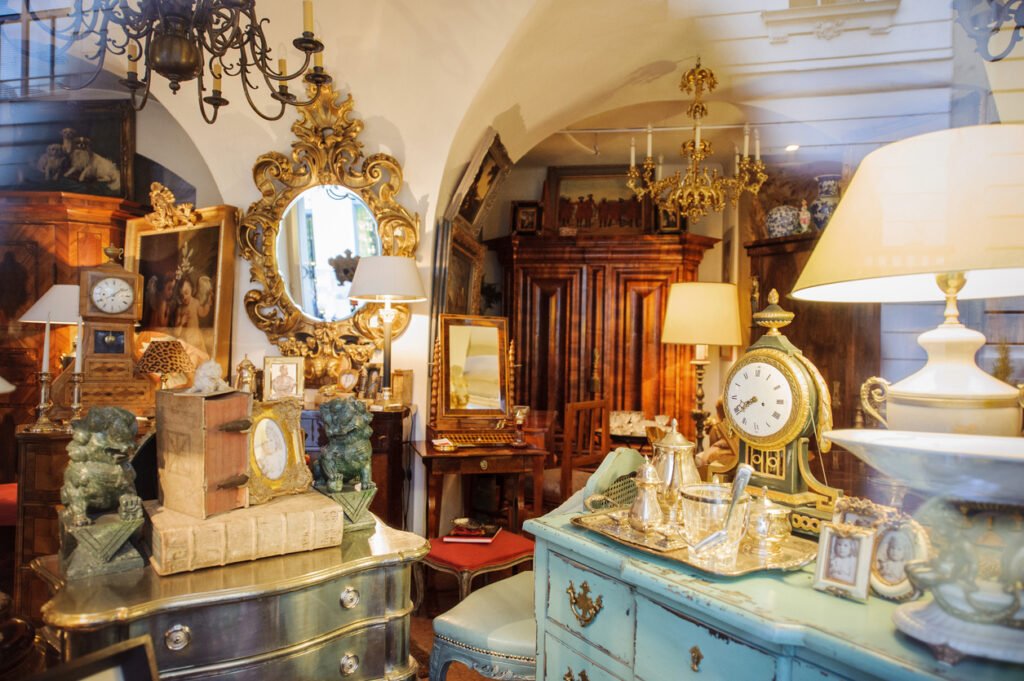
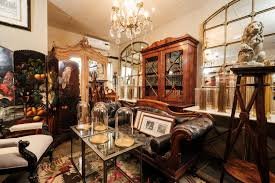
Antiquities shop window shopping seen from the street
Antique furniture isn’t just old wood—it’s history carved, painted, and sculpted into every detail. Collecting antique furniture preserves classic artistry by protecting design techniques, materials, and craftsmanship from eras long past. In today’s mass-produced world, antiques stand as powerful reminders of the artistic dedication that once shaped everyday objects. When you bring an antique into your space, you do more than decorate—you preserve a story and a skill set that might otherwise fade away.
Honoring Traditional Craftsmanship
Every antique piece reflects the skills of master artisans who dedicated years to perfecting their techniques. From intricate hand carvings to time-tested joinery, these features represent a level of craftsmanship rarely seen in modern furniture. By collecting antique furniture, you actively honor and uphold these lost or declining trades. Moreover, each item is unique, showing subtle variations that testify to the handwork behind it—unlike the uniformity of factory-made products.
Safeguarding Cultural Heritage
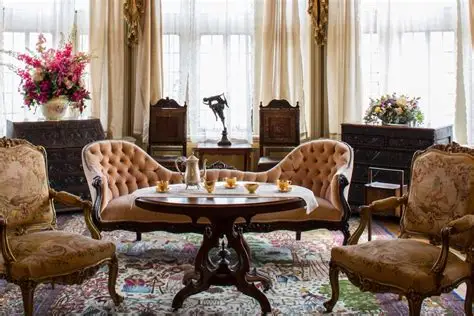
In addition to preserving artistry, antique furniture often carries strong cultural significance. Pieces from different regions reflect the values, lifestyles, and materials available during their time. For instance, a Victorian sideboard reveals the opulence of its era, while a Shaker chair emphasizes simplicity and function. Therefore, when you collect antiques, you also become a guardian of cultural narratives. These artifacts connect you to the past, offering insights that textbooks simply cannot provide.
Supporting Sustainable Living
Collecting antique furniture also supports sustainability—a value more people appreciate today. Instead of purchasing new, mass-produced items that may break down quickly, antiques offer durability and longevity. This reduces waste and minimizes the demand for raw materials. Repurposing or maintaining old furniture also lessens the carbon footprint of your home. In this way, collecting antique furniture not only preserves classic artistry, but also supports environmentally conscious living.
Adding Unique Character to Modern Spaces
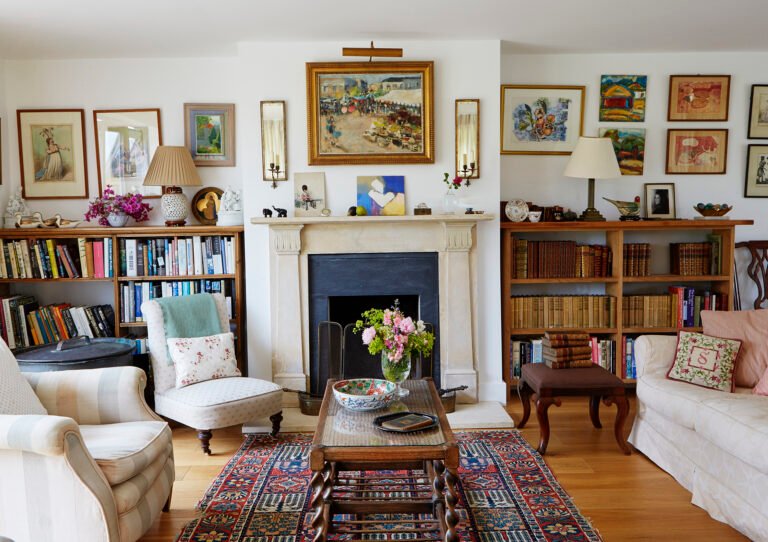
Antique furniture adds soul to a space. In a world filled with identical pieces, antiques stand out with charm and authenticity. A hand-painted chest or a mid-century credenza can become a room’s focal point. When you mix old with new, you create contrast and depth in your décor. These pieces often spark conversations and reflect your appreciation for both design and history. So, integrating antiques isn’t just aesthetic—it’s also a way to showcase your personality and values.
Investing in Long-Term Value
Unlike modern furniture, which tends to depreciate, many antiques retain or increase in value over time. That’s because their rarity and historical significance make them desirable to collectors, designers, and museums. Each piece tells a story that enhances its worth. While buying antiques requires some knowledge and care, the potential return—both financial and cultural—is substantial. Collecting antique furniture, then, becomes more than a hobby; it turns into a meaningful and potentially profitable investment.
Educating Future Generations
By preserving antique furniture, you offer future generations the opportunity to witness and learn from the past. These pieces serve as educational tools, showing how previous generations lived, worked, and expressed creativity. When children grow up around antiques, they may develop a deeper appreciation for heritage and craftsmanship. They learn that beauty and function can coexist and that things worth having are often built to last. In essence, you become a bridge between the past and the future.