Antique furniture carries history, craftsmanship, and a unique charm that modern pieces often lack. Whether you’re a collector, decorator, or simply curious, identifying authentic antique furniture is essential to ensure you’re investing in genuine pieces. With many reproductions and fakes on the market, it’s important to know what signs to look for. Here’s a comprehensive guide to help you distinguish true antiques from replicas.
Understand What Defines Antique Furniture
First, it’s important to know that “antique” generally refers to furniture that is at least 100 years old. This means pieces made before the early 20th century typically qualify. However, simply being old doesn’t guarantee authenticity; factors like construction techniques, materials, and wear tell the real story.
Examine the Construction Techniques
One of the most reliable ways to identify authentic antique furniture is to study how it was made. Older pieces were handcrafted, so they exhibit certain traits:
-
Hand-Cut Joinery: Antique furniture often uses dovetail joints cut by hand, which are irregular and slightly uneven compared to machine-made dovetails that are uniform.
-
Tool Marks: Look for subtle marks from hand tools such as chisels or saws, especially in hidden areas.
-
Nails and Screws: Early nails were handmade and irregular in shape, and screws had imperfect threads. Modern fasteners are more uniform and machine-made.
-
Wood Movement: Genuine antiques show signs of wood shrinking, warping, or cracking naturally over time.
Inspect the Materials
Authentic antiques are usually made from solid wood species popular during their period:
-
Wood Type: Older furniture commonly uses hardwoods like oak, mahogany, walnut, or cherry. Reproductions might use cheaper or engineered wood.
-
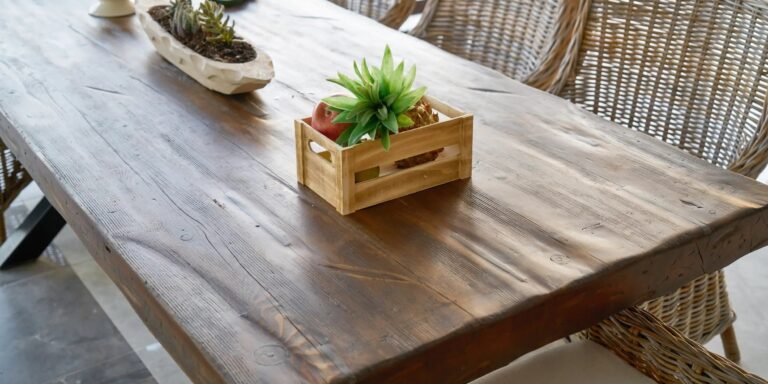
Patina and Finish: Genuine antiques develop a natural patina from years of oxidation and handling. This subtle sheen cannot be easily replicated by artificial aging techniques.
-
Wear Patterns: Check areas that would naturally see use, like edges, drawer handles, or legs, for consistent wear and fading.
Check for Signs of Age and Use
Age-related characteristics help confirm authenticity:
-
Wear and Tear: Authentic antique furniture will have signs of use, such as slight dents, scratches, or worn finishes. These should look natural and not artificially applied.
-
Repairs and Modifications: Many antiques have evidence of repairs or replaced hardware, which can support their age but should be consistent with the piece’s style and period.
-
Odor: Older wood often has a distinctive, musty smell that’s difficult to fake.
Look for Maker’s Marks and Labels
Some antique furniture carries marks, stamps, or labels from the maker, which can help verify its origin and age. These may be found on the underside, inside drawers, or on back panels. Researching these marks can provide valuable information about the piece’s authenticity and history.
Research the Style and Era
Understanding furniture styles and their historical context is crucial. Authentic pieces follow design conventions of their era:
-
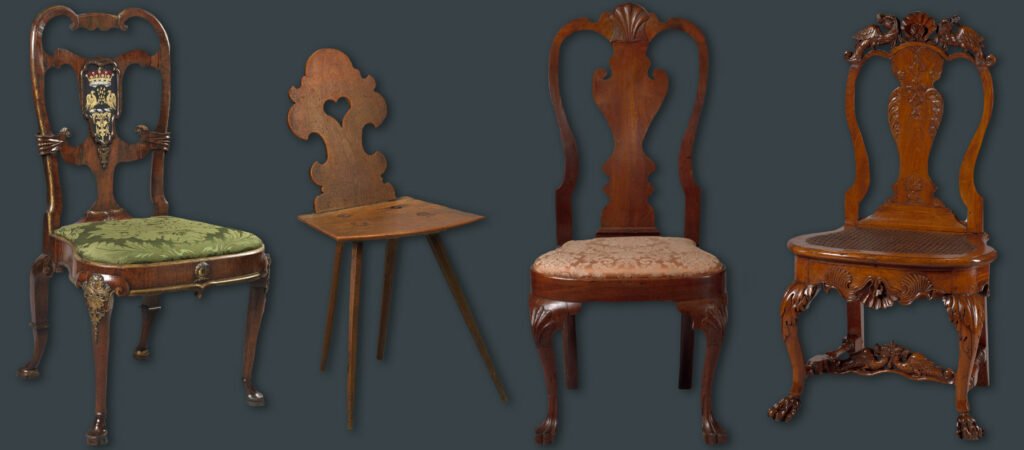
Period-Specific Details: For example, Queen Anne furniture features cabriole legs and ornate carvings, while Mid-Victorian pieces often have heavy ornamentation.
-
Regional Characteristics: Different regions have distinct construction styles and decorative elements.
-
Comparative Analysis: Comparing a suspected antique with verified examples or reference books can highlight discrepancies or confirm authenticity.
Consult an Expert if Needed
If you’re uncertain, it’s wise to seek advice from a professional appraiser or antique dealer. Experts can often spot subtle signs that amateurs miss and provide a more definitive opinion on authenticity and value.
Final Thoughts
Identifying authentic antique furniture requires a combination of knowledge, observation, and sometimes expert assistance. By examining construction, materials, signs of wear, and historical context, you can confidently distinguish genuine antiques from reproductions. Whether you’re investing in a family heirloom or decorating your home, understanding how to spot authentic pieces ensures you appreciate the true beauty and value of antique furniture.