Antique Furniture Trends for Modern Homes
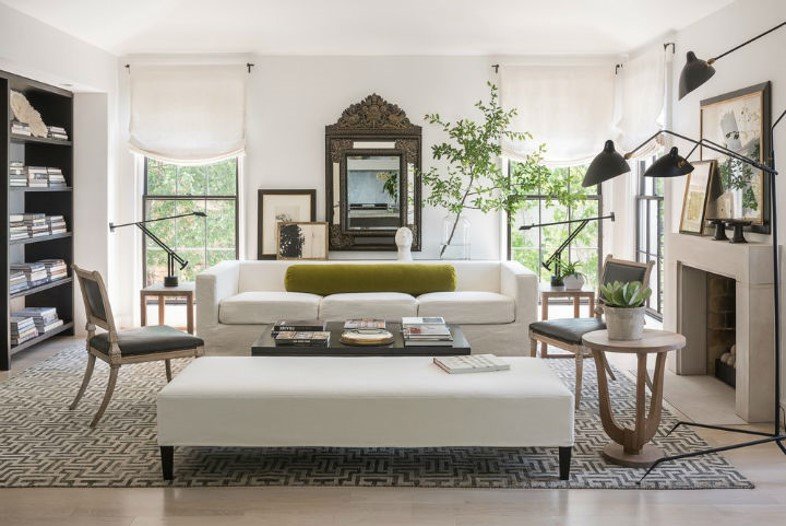
Antique furniture has a timeless appeal that can instantly elevate any home, adding character, history, and charm. While modern interiors often lean towards minimalist and sleek designs, incorporating antique furniture into a contemporary setting can create a unique and stylish blend of the old and the new. In recent years, antique furniture trends for modern homes have become more popular as people seek to create spaces that feel both authentic and sophisticated.
In this article, we’ll explore the current trends for incorporating antique furniture into modern homes. We’ll also highlight how these pieces can complement contemporary aesthetics while enhancing your home with a sense of history and personality.
Why Antique Furniture Works in Modern Homes
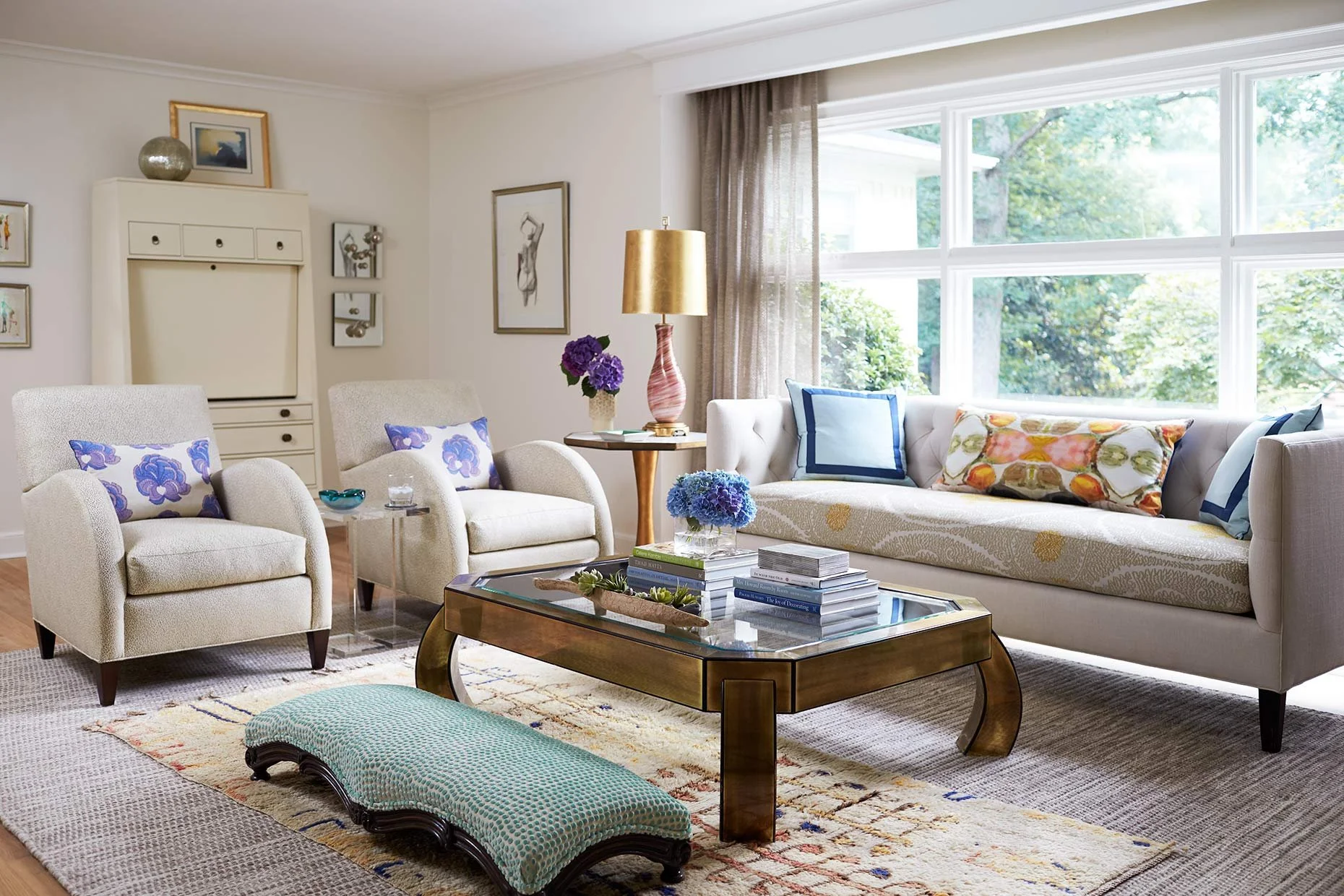
The integration of antique furniture in modern interiors is a growing trend, and for good reason. These pieces add depth, warmth, and a story to a space that modern mass-produced furniture simply can’t match. Here are a few reasons why antique furniture continues to thrive in modern home design:
-
Unique Appeal: Each antique piece has its own history and character, making it a one-of-a-kind addition to your home.
-
Quality Craftsmanship: Antiques are often built to last, with solid wood and detailed craftsmanship that modern furniture sometimes lacks.
-
Sustainability: Choosing antique furniture is an eco-friendly decision. By reusing and repurposing old furniture, you reduce waste and contribute to a more sustainable lifestyle.
Incorporating antique furniture allows you to combine nostalgia and elegance with your current design preferences, creating a sophisticated yet comfortable space.
Popular Antique Furniture Trends for Modern Homes
Here are some of the top trends for incorporating antique furniture into modern homes:
1. Mixing Antiques with Minimalism
While modern minimalist designs are all about clean lines and simplicity, adding antique furniture can provide the perfect contrast without overwhelming the space. A single vintage armchair, an old wooden sideboard, or an antique coffee table can make a bold statement against the backdrop of minimalist decor. The key is to balance the quantity and placement of antiques so that they don’t clutter the space.
-
Tip: Stick to one or two antique pieces per room to avoid overwhelming the space with too many contrasting elements.
-
Example: Pair a modern, neutral-colored sofa with a vintage leather armchair for a unique and inviting seating area.
2. Industrial Meets Antique
The industrial style, with its exposed beams, metal accents, and raw, unfinished materials, works surprisingly well with antique furniture. The juxtaposition of the rustic, weathered charm of antiques with the sleek, modern lines of industrial design creates a dynamic and interesting look.
-
Tip: Choose antique wood pieces—like a vintage wooden dining table or a reclaimed wood cabinet—to complement the colder industrial elements in the room.
-
Example: An antique oak cabinet can bring warmth to an otherwise steel-heavy industrial living room.
3. Antique Furniture as Statement Pieces
Sometimes, the best way to incorporate antique furniture into a modern home is by making it the focal point of a room. Large antique furniture, such as a vintage armoire, an ornate mirror, or a classic wooden writing desk, can serve as the central design element in a space.
-
Tip: Choose one standout antique piece and design the rest of the room around it. Let the antique item be the star while keeping the rest of the decor simple and complementary.
-
Example: An antique chest of drawers can become the focal point in a bedroom while neutral-colored walls and modern lighting complete the room.
4. Antique Lighting Fixtures
Antique lighting fixtures are another way to bring vintage charm into a modern home. Crystal chandeliers, vintage lamps, and old-fashioned sconces can provide an elegant touch to contemporary spaces. These lighting pieces not only illuminate the room but also serve as artistic accents that enhance the overall design.
-
Tip: Choose lighting fixtures with a subtle antique feel, such as a brass floor lamp or a chandelier with a slightly distressed finish, to complement a modern aesthetic.
-
Example: A mid-century modern-inspired chandelier paired with sleek, modern furniture can add both function and style to the room.
5. Eclectic and Boho Vibes
One of the most popular trends in modern interior design is the eclectic or bohemian style, which thrives on mixing old and new elements. Antique furniture works wonderfully in this setting, where mismatched pieces, vibrant colors, and layered textures come together harmoniously. A vintage armchair, an antique side table, or an old wooden trunk can blend effortlessly into a boho-inspired room.
-
Tip: Mix antique furniture with vibrant textiles, plants, and other bohemian elements like woven rugs and macramé wall hangings.
-
Example: Pair an antique wooden bench with colorful throw pillows and a modern patterned rug to create a welcoming, boho-style living room.
6. Repurposing Antique Furniture
Another growing trend is repurposing or upcycling antique furniture. This involves taking old furniture and giving it a new life through restoration, reupholstering, or even creative repurposing. This trend is especially popular for homeowners who want to keep antique furniture functional but update it to fit their modern space.
-
Tip: Reupholster old chairs with contemporary fabrics or refinish a distressed dresser to give it a fresh, modern look.
-
Example: A vintage wooden chair can be given new life by reupholstering it in a bold, modern print or by painting the frame with a contemporary color.
7. Blending Antique and Contemporary Art
Art is an integral part of home decor, and modern homes can beautifully merge contemporary art with antique furniture. Displaying modern art pieces next to antique furniture can create a visually interesting contrast that highlights both the history of the furniture and the cutting-edge designs of the artwork.
-
Tip: Use antique furniture as a backdrop for contemporary art pieces, or vice versa, to create a visual balance between old and new.
-
Example: Place a vintage dresser next to a bold, abstract painting to create a striking contrast in the room.
How to Choose Antique Furniture for Your Modern Home
When selecting antique furniture for a modern home, keep a few tips in mind:
-
Prioritize Quality: Look for pieces that are well-built and durable. Solid wood furniture, for example, can be restored and last for generations.
-
Opt for Subtlety: Choose antiques that complement your modern furniture rather than competing with it. This can be achieved by selecting items that have neutral tones or understated designs.
-
Consider Scale: Larger antiques, like cabinets or armoires, can be more appropriate for larger spaces, while smaller pieces like side tables or chairs work well in cozy rooms.
Conclusion
Antique furniture trends for modern homes provide the perfect opportunity to blend history with contemporary design. Whether you’re opting for a statement piece, mixing industrial with vintage, or embracing an eclectic vibe, antique furniture adds a unique and personal touch to your space. By carefully selecting and incorporating these timeless pieces, you can create a living environment that feels both modern and full of character.
Incorporating antique furniture into your home doesn’t mean you have to sacrifice modern style. Instead, it allows you to create a space that is rich in history, texture, and style, all while embracing sustainable, high-quality materials that stand the test of time.