Benefits of Mixing Antique Furniture Styles
In interior design, there’s something magical about mixing different furniture styles, especially when it comes to mixing antique furniture styles. While some people may think it’s best to stick to one era or style for consistency, blending various pieces from different time periods can create a dynamic, eclectic space that tells a unique story. This approach allows you to celebrate the charm and craftsmanship of antiques while infusing your home with personality and style. Let’s explore the key benefits of mixing antique furniture styles in your home.
Why Mix Antique Furniture Styles?
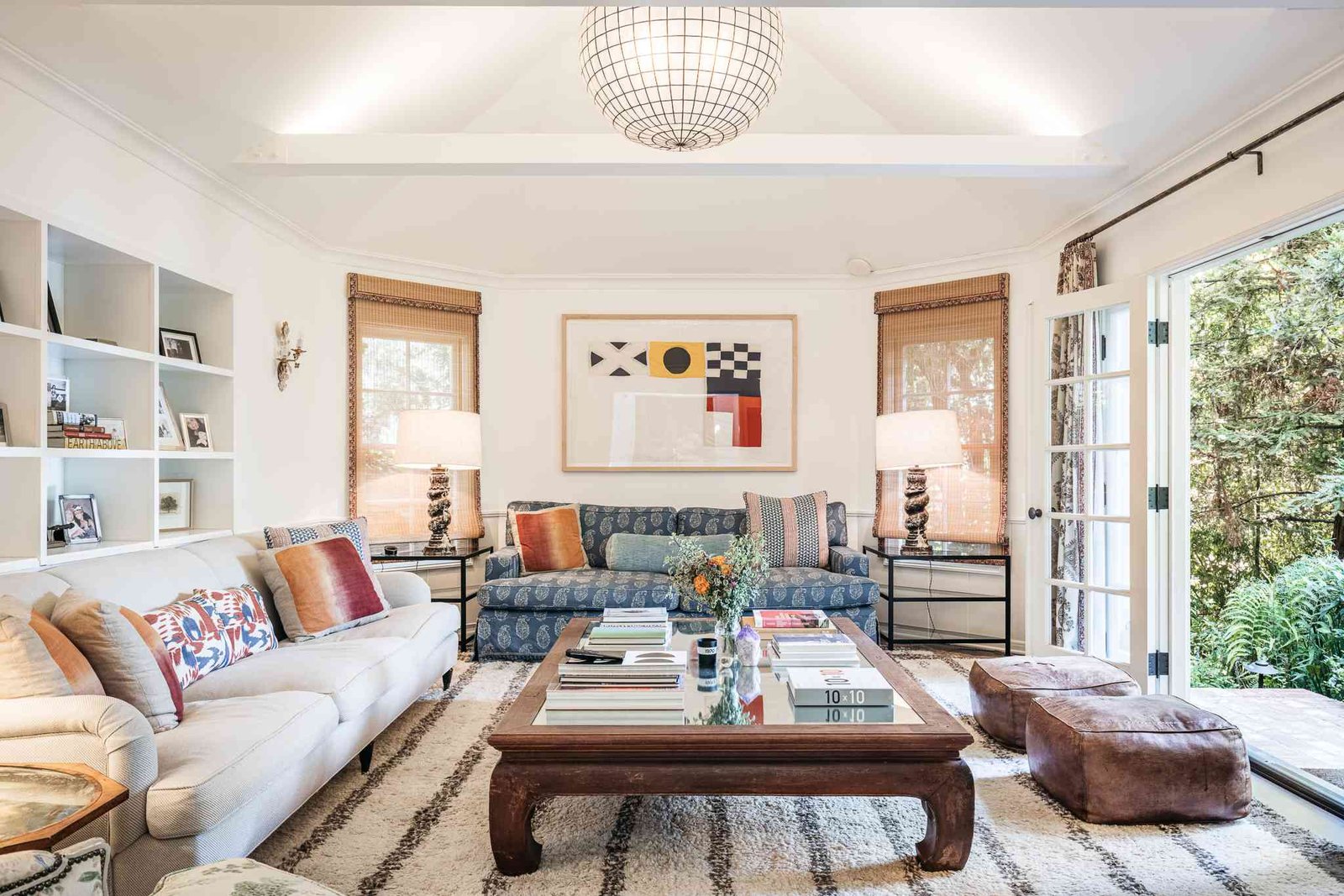
When done right, mixing antique furniture styles can result in a space that is rich in character and depth. The goal isn’t just to create an aesthetically pleasing environment, but also to bring together the best elements from various historical periods, blending them into something entirely fresh and personalized. By combining different designs, you create a visually engaging space that reflects your unique taste and love for history.
Timeless Appeal and Personality
One of the most compelling reasons for mixing antique furniture styles is the timeless appeal it creates. Unlike contemporary furniture, which may go in and out of trend, antique pieces hold a certain timelessness. Mixing them allows you to blend the old with the new, creating a space that feels both current and steeped in history. It gives your home personality, making it feel lived-in and personal rather than like a showroom.
-
Variety of designs: Antique furniture spans centuries of design trends, offering countless ways to express your personal style.
-
Distinctive charm: The uniqueness of each piece ensures your home will stand out from the crowd.
Creates a Layered Look
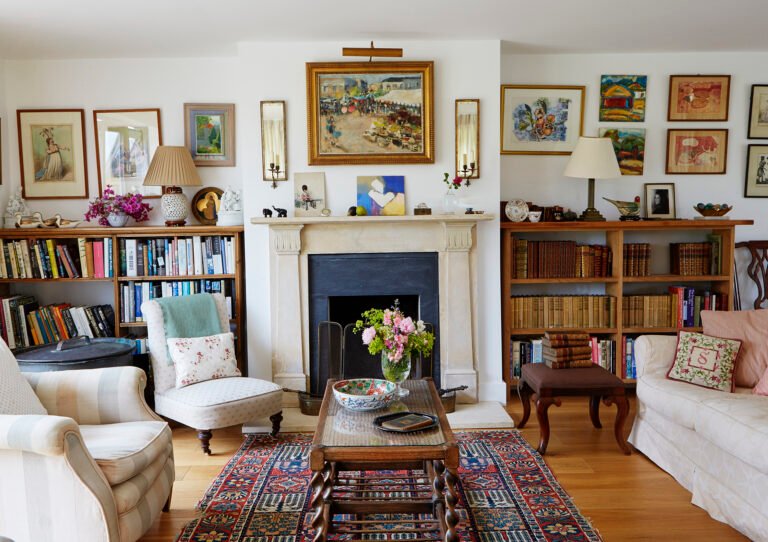
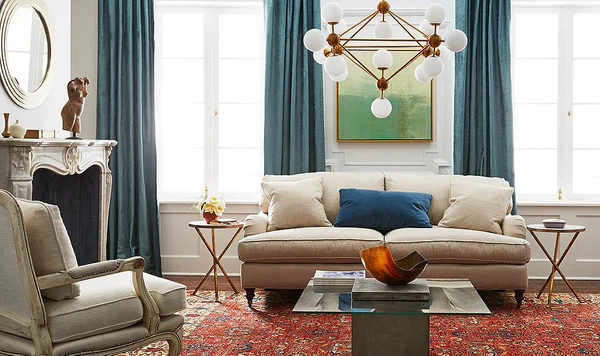
By mixing antique furniture styles, you can create a layered, well-curated aesthetic in your home. Layering different textures, materials, and design periods gives your space visual interest. A single room could feature pieces from the 18th century alongside mid-century modern and even vintage industrial elements, each contributing its own voice to the overall composition.
-
Textures and finishes: The contrast between a polished Victorian cabinet and a distressed mid-century modern table can create an intriguing visual.
-
Eclectic mix: Mixing can soften the contrasts, allowing the space to feel harmonious rather than chaotic.
1. Combining Different Eras for Visual Interest
One of the best ways to achieve a dynamic look is by mixing furniture from different eras. For instance, a 19th-century French Louis XVI armchair can pair beautifully with a 1970s teak dining table, creating a delightful blend of elegance and modern simplicity. This contrast can make each piece stand out, while the combination of styles adds complexity and richness to the overall design.
Key Benefits:
-
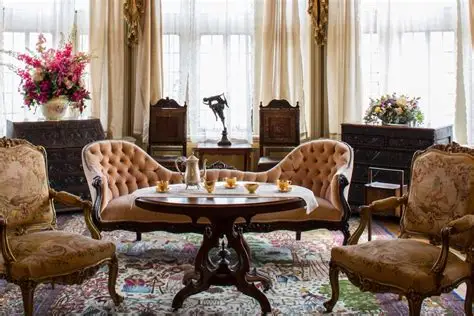
Unexpected pairings: Pairing Victorian-era wooden chairs with an Art Deco console creates an unexpected but cohesive contrast.
-
Visual focal points: A single antique piece in a room can become the focal point, drawing attention to the beauty of both the piece and its surrounding decor.
2. Enhances the Character of Your Home
Antique furniture carries with it a history and character that new pieces simply can’t match. By mixing antique furniture styles, you enhance the uniqueness and charm of your home. The rich patinas, weathered textures, and craftsmanship of antique pieces give your space a warm, lived-in feel. When you blend various antiques, you’re not just decorating; you’re telling a story with each piece.
Key Benefits:
-
History in every piece: Each antique item carries a sense of history, adding a layer of storytelling to your home.
-
Rich textures: The wear and tear of well-loved antique furniture can add character and a sense of comfort to your space.
3. Budget-Friendly Way to Curate Your Home
Mixing antique furniture styles can also be a budget-friendly option for curating a well-designed home. High-quality modern furniture can often come with a hefty price tag, but buying antique pieces—especially those that may be considered “out of style” by some—can be a more affordable way to create a sophisticated, curated interior. Plus, vintage and antique pieces are often made with superior craftsmanship, meaning they may outlast newer, mass-produced furniture.
Key Benefits:
-
Affordable elegance: Antique pieces often come at a fraction of the cost of modern furniture, especially if you find them at estate sales or auctions.
-
Investment in quality: Many antique pieces are built to last, meaning they’ll stand the test of time—both in terms of durability and style.
4. Sustainability and Environmental Impact
Mixing antique furniture styles is an eco-friendly choice. Buying secondhand or vintage furniture is far more sustainable than purchasing new, mass-produced pieces. When you mix antiques, you’re recycling and reusing items that have already been crafted, which reduces the demand for new resources. This is an environmentally conscious way to furnish your home while maintaining a timeless style.
Key Benefits:
-
Recycled beauty: Repurposing antique furniture gives old pieces a new life, helping to reduce waste.
-
Sustainable craftsmanship: Many antique furniture items were made with quality materials, unlike today’s mass-produced alternatives.
5. Flexibility in Decorating Your Space
One of the most exciting aspects of mixing antique furniture styles is the flexibility it provides. Unlike a strict, uniform look, a mix of styles allows you to be more creative and flexible with your décor. It allows for greater freedom in how you arrange and select your furniture, letting you integrate pieces that serve both functionally and stylistically. Additionally, you can change the pieces as your style evolves, allowing the décor to grow with you.
Key Benefits:
-
Adaptable to change: You can always swap out certain pieces to refresh the space without needing a complete overhaul.
-
Mixing with modern items: Antique furniture can seamlessly blend with modern decor, creating a hybrid style that’s all your own.
Conclusion
There are countless benefits to mixing antique furniture styles, from creating a unique, personalized space to promoting sustainability and budget-friendly design. By blending different periods, you can introduce rich textures, history, and character into your home. Whether you’re incorporating just a few antique pieces or creating an entirely eclectic space, the mix of different eras can bring your home to life in a way that feels both timeless and fresh. So, don’t be afraid to experiment with various styles—mixing antique furniture can create an unforgettable, inviting atmosphere in any room.